
Call us now :07971189220
 Send Inquiry
 Send Inquiry
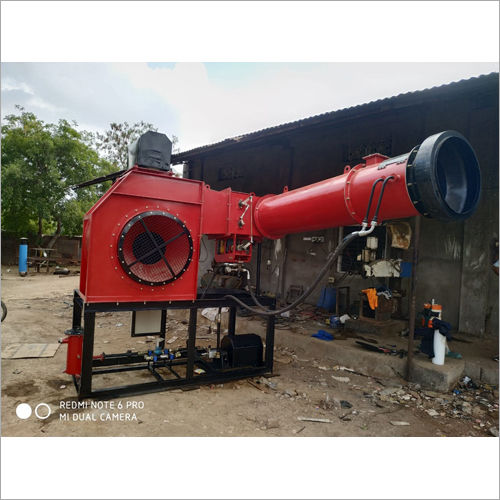
Burner Management Systems
Burner Management Systems Specification
- Condition
- New
- Type
- Burner Management Systems
- Usage
- Industrial
- Structure
- Modular
- Pressure
- High
- Style
- Automatic
- Material
- Metal
- Automation Grade
- Automatic
- Frequency
- 50 Hz
- Operating Ambient Temperature
- 0°C to 55°C
- Ignition Type
- Direct Spark / Pilot Ignition
- Control Mode
- PLC Based
- Voltage
- 230 V AC
- Mounting Type
- Panel Mounted
- Safety Features
- Flame Failure Detection, Overpressure Protection, Emergency Shutdown
- Application
- Boilers, Furnaces, Industrial Burners
- Display Type
- Digital
- Enclosure Protection
- IP54 / IP65
- Temperature Range
- Up to 1200°C
About Burner Management Systems
Features :
Engineering Design Services for BMS applications
BMS turnkey solution provider
A hardware trip circuit which allows the operator or the system watchdog to initiate a main fuel trip
Advanced Safety and Automation
Integrated flame failure detection, overpressure protection, and emergency shutdown ensure the utmost safety for all industrial heating processes. The automatic, PLC-based control system streamlines operations, minimizing human intervention, and maximizing efficiency for critical applications.
Robust and Reliable Design
Built with premium metal and modular architecture, these burner management systems are engineered for high-pressure, high-temperature environments. Their IP54/IP65 enclosures provide exceptional protection against dust and moisture, ensuring long-term reliability in industrial settings.
User-Friendly Operation and Monitoring
A digital display and straightforward panel mounting facilitate ease of operation and real-time monitoring. The automation grade guarantees consistent performance and allows quick troubleshooting and adjustments, optimizing burner safety and performance.
FAQs of Burner Management Systems:
Q: How does the PLC-based control improve burner management system performance?
A: The PLC-based control enables automatic monitoring and regulation of burner operations, ensuring precise temperature and pressure management. It supports real-time data processing, efficient sequencing, and rapid response to abnormal conditions, thereby enhancing safety and operational reliability.Q: What are the key safety features in these burner management systems?
A: These systems are equipped with advanced safety mechanisms, including flame failure detection, overpressure protection, and emergency shutdown. Together, these features help prevent hazardous incidents and protect equipment and personnel.Q: When should industrial users consider implementing these burner management systems?
A: Industrial users should deploy these systems when their operations involve high-pressure, high-temperature environments and demand stringent safety and automation. Upgrades are especially beneficial during plant modernization or when pursuing higher operational efficiency and safety compliance.Q: Where are these burner management systems most commonly used?
A: They are widely used in applications such as boilers, furnaces, and industrial burners across sectors like power generation, process manufacturing, and heavy industries where precise control and robust safety features are critical.Q: What is the process for panel-mounted installation of these systems?
A: Installation involves securely mounting the system onto a control panel, connecting it to the power supply (230 V AC), and integrating it with burner equipment. Configuration and programming follow, enabling PLC-based automated operation and safety monitoring.Q: How do the ignition types (direct spark or pilot ignition) benefit burner operation?
A: Both ignition options provide reliable startup of burners. Direct spark offers rapid ignition, while pilot ignition suits applications requiring staged firing, ensuring flexibility and safety in various operational scenarios.Q: What advantages come with the modular metal structure and enclosure protection?
A: The modular metal design simplifies installation and facilitates system expansion or maintenance. IP54/IP65 enclosures safeguard against dust, moisture, and other contaminants, prolonging system lifespan and ensuring consistent performance in tough industrial environments.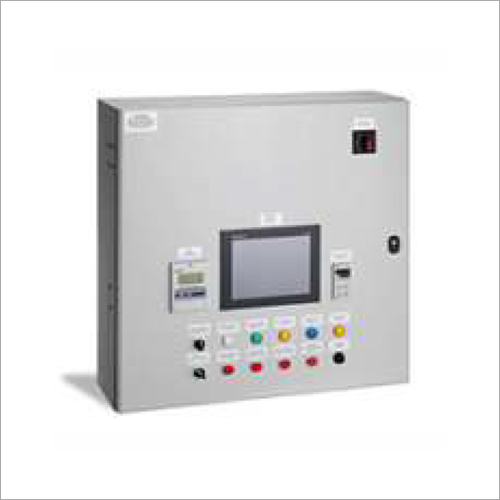
Tell us about your requirement

Price:
Quantity
Select Unit
- 50
- 100
- 200
- 250
- 500
- 1000+
Additional detail
Mobile number
Email

More Products in Industrial Burner Category
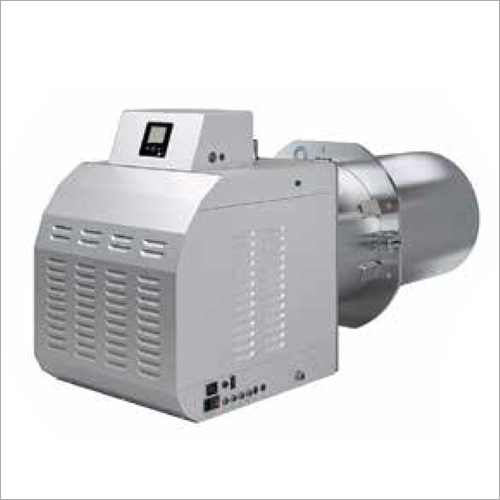
Bmax Burner
Usage : Others, Industrial Heating
Pressure : Others, High
Material : Metal
Condition : New
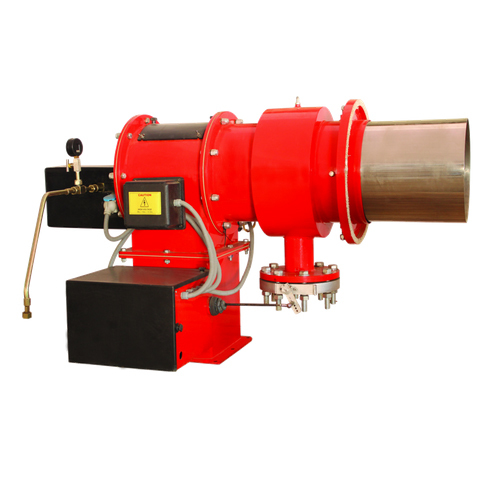
Duo Block Series
Price 100000 INR
Minimum Order Quantity : 1 Kilograms
Usage : Industrial
Pressure : High Pressure
Material : Mild Steel
Condition : New
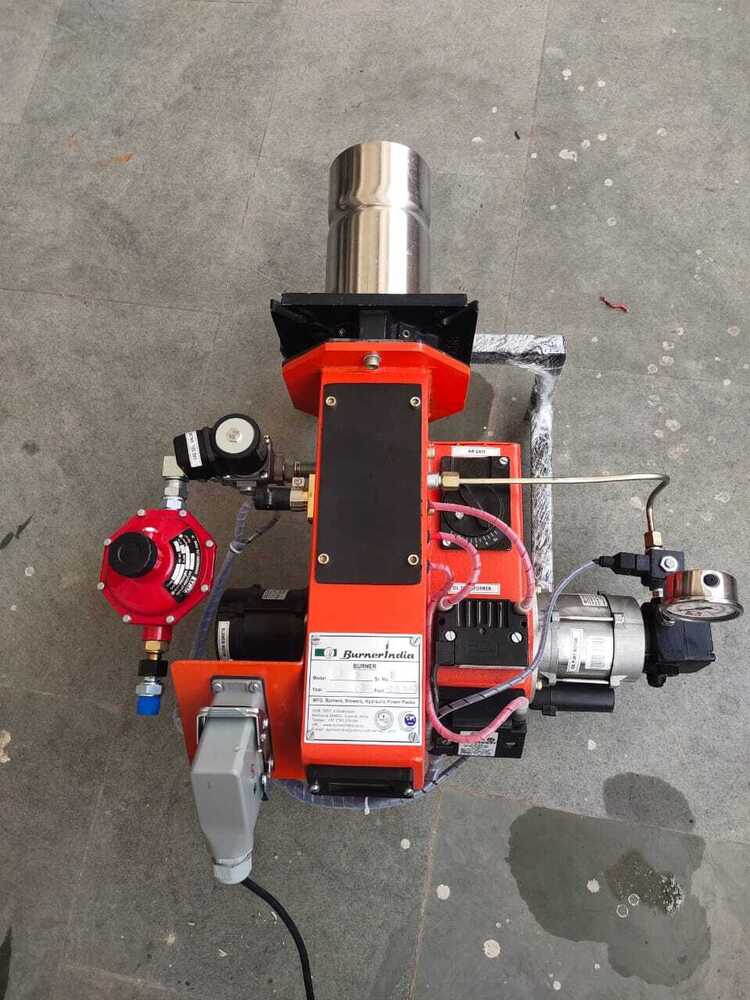
Gas Burner
Price 50000 INR
Minimum Order Quantity : 1 , , Kilograms
Usage : Industrial
Pressure : High Pressure
Material : Cast Iron
Condition : New
Long Nose Burner
Usage : Others, Industrial/Commercial Gas Stoves
Pressure : Others, High
Material : Cast Iron
Condition : New

 Send Inquiry
Our Products


Plot No. I/208, GIDC-II, Dediyasan,Mehsana - 384002, Gujarat, India

Mr Vinesh Bhatia
(Partner)
Mobile :07971189220
 Send Inquiry
 Send SMS
Developed and Managed by Infocom Network Private Limited.
